Smart Online Review Management for Small Business in Manhattan NY: 2026 Guide for Manhattan Residents
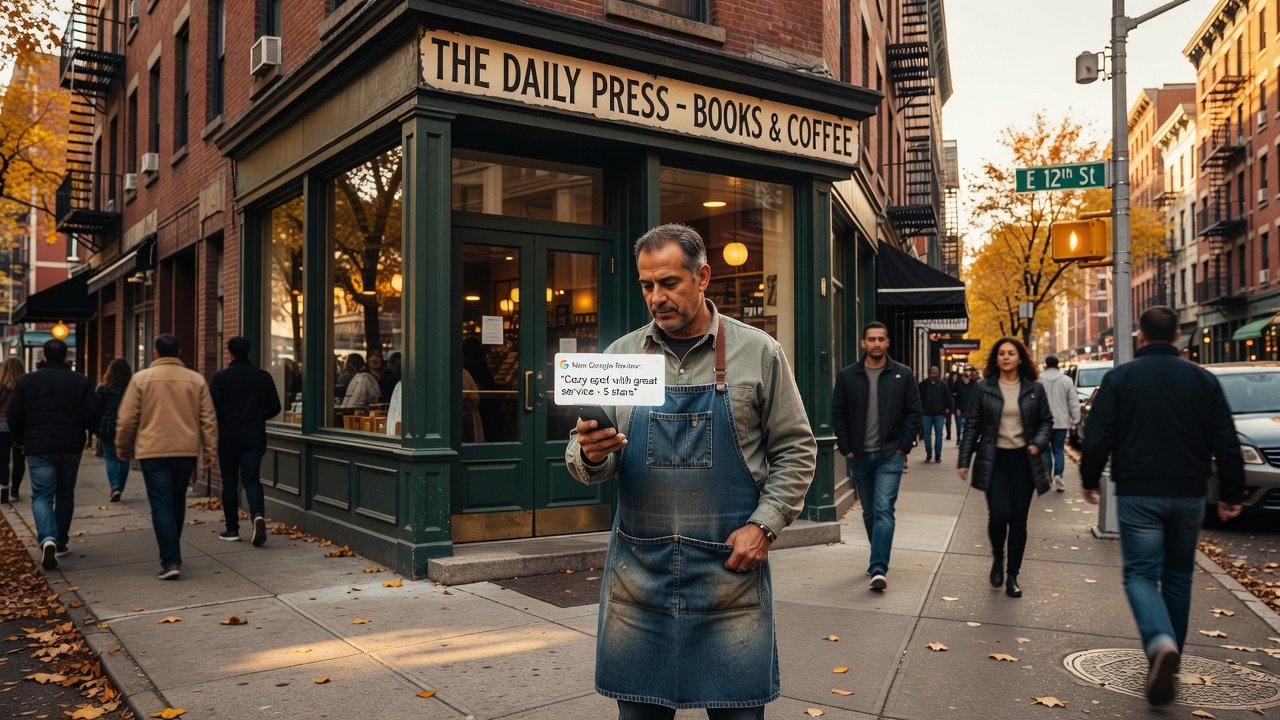
A one-star drop on Google wiped out roughly 30 percent of a Midtown deli owner’s walk-in traffic before he even knew it had happened. That is the real danger of neglecting online review management for small business not the occasional bad review itself, but the compounding silence that follows when no one is watching. We work with independent shop owners, service providers, and neighborhood businesses across Manhattan every week at Chauncey Agency, and the pattern is almost always the same: the problem grows slowly, invisibly, until a slow quarter forces someone to finally look at their Google Business Profile.
This guide is organized by time of year, because timing genuinely matters here. Manhattan is not suburban New Jersey. Consumer behavior in the West Village in January is different from the Upper East Side in September, and your review strategy needs to reflect that reality.
Why Timing Your Review Strategy Around Manhattan’s Calendar Is Not Optional
Most small business owners think of review management as something they will “get to eventually.” In a market like Manhattan where a single block in Nolita can have four competing espresso bars, and a shopper in Inwood is just as likely to check Yelp as ask a neighbor eventually is a real deadline, not a vague intention.
New York City residents leave more reviews per capita than almost any other metro market in the country. That volume cuts both ways. A strong review profile accelerates trust. A neglected one even one with mostly positive reviews that haven’t been responded to in months reads as indifferent or worse, closed. We have watched businesses in Chelsea and Harlem lose ground to newer competitors not because their product was worse, but because their digital reputation looked abandoned.
The seasonal breakdown below is grounded in what we actually observe working with Manhattan clients, not in generic best practices recycled from a national marketing template.
Winter: January Through March — The Slow Season That Isn’t Slow for Reviews
Manhattan winters are brutal for foot traffic. Cold snaps, the post-holiday spending hangover, and the particular gloom of February keep people indoors. But here is what most small business owners miss: people are on their phones constantly in winter, and they are reading reviews, not just leaving them. January and February are when prospective customers in Gramercy or Astoria, Queens research businesses they plan to visit in spring. The consideration window is longer in winter, which means a neglected review profile does more damage during these months than at any other time of year.
This is the best time of year to do a full audit. Respond to every unanswered review from the previous twelve months. Flag any review content that violates platform policies. Update your business hours across Google, Yelp, and Apple Maps they drift out of sync more than anyone admits. If you operate anywhere near Midtown or the Financial District, this audit is especially urgent because tourists planning spring trips are already reading you.
What happens if you wait? By the time March arrives, your competitors who did this work are already capturing that early-consideration traffic. You are starting from behind.
Spring: April Through June — The Window That Closes Faster Than You Think
Spring is the single most important review acquisition window for Manhattan small businesses. Foot traffic rebounds, outdoor dining returns to the West Village and the East Village, and visitors begin arriving in volume. New customers mean new review opportunities but only if you have a system to ask for them at the right moment.
We consistently tell our clients in Brooklyn’s Crown Heights and Bed-Stuy neighborhoods, as well as those operating in Manhattan proper, that the request for a review needs to happen within 24 hours of a positive interaction. After that, the intent evaporates. A simple follow-up text or a printed card at checkout with a QR code is enough. The technology is not the hard part. The habit is.
Spring is also when negative reviews spike for seasonal businesses. A first warm-weekend rush at a restaurant in the Lower East Side will expose every operational crack slow service, a new staff member who isn’t trained, a POS system that glitches under volume. Some of those friction points will become one-star reviews. The businesses that respond within 48 hours, acknowledge the experience specifically and without corporate language, and offer a clear path to resolution recover most of that reputation damage within a few weeks. The ones that don’t respond carry that one-star average into summer.
Summer: July Through August — The Risk Window Most People Underestimate
Summer in Manhattan is complicated. A meaningful portion of the city’s higher-income residents leave for the Hamptons or New Jersey shore towns. Tourist volume surges to replace them. If your business depends on locals say, a dry cleaner in Washington Heights or a hardware store in Inwood July and August can feel artificially quiet. If you serve visitors a boutique near Times Square, a food tour company operating out of the East Village these two months are your highest-stakes review period of the year.
Tourist reviews behave differently from local reviews. They are often written immediately, sometimes in the cab on the way to the next destination. They tend to be more extreme either genuinely enthusiastic or genuinely disappointed and they often include photos. A string of photo-heavy negative reviews published in July can drag a Google rating from 4.4 to 4.1 before the month is out, and that 0.3-point drop has documented effects on click-through rates.
Do not let your review monitoring go dark in August because your core team is on vacation. Assign coverage. A single unaddressed one-star review with a photo of a dirty restroom, left visible for three weeks in peak tourist season, costs more than a summer retainer with a local agency.
Fall: September Through November — The Strongest Acquisition Season, and the Easiest One to Waste
September brings locals back to the city. School is in session. Routines reassert themselves across neighborhoods from Tribeca to Riverdale. For most Manhattan small businesses, this is when the highest-quality reviews come in from repeat customers, from people who have been coming to you for years and finally feel moved to say so publicly. These reviews carry more weight in Google’s algorithm than a burst of one-time visitor reviews, and they read more credibly to other locals.
Fall is also the right time to build out your response templates so the holiday season doesn’t catch you flat-footed. A personalized, specific response to a five-star review one that uses the customer’s name if they included it, references something specific they mentioned, and doesn’t sound like it was generated by a chatbot reinforces the relationship and signals to future readers that a real person runs this business. We help clients across Manhattan and in nearby markets like Jersey City and Newark build these systems before Q4, not during it.
The worst thing you can do in fall is coast. Businesses that treat September through November as a review management vacation arrive at the holiday rush with a stale profile and no momentum.
Online Review Management for Small Business When You Have Already Waited Too Long
If you are reading this in the middle of a bad stretch a recent negative review spike, a rating that has slipped below 4.0, a competitor in your neighborhood pulling ahead on search the recovery path is straightforward but not fast. Responding to every outstanding review is step one. Soliciting reviews from your most loyal customers is step two. Neither of these produces overnight results. A rating that took six months to erode typically takes three to four months to meaningfully recover, even with consistent effort.
The financial stakes are real. According to the Genworth 2024 Cost of Care Survey, the gap between managing a problem early versus late is the same across industries the longer you wait, the more expensive the fix. For Manhattan small businesses operating on thin margins in one of the country’s most competitive retail environments, a managed review presence is not a luxury line item. It is a basic cost of staying visible.
We have worked with businesses in Paterson, New Jersey, Elizabeth, New Jersey, the Bronx, and throughout Manhattan who came to us after a reputation crisis had already cost them measurable revenue. The work is doable. It is just harder and more expensive than it needed to be.
What We Actually Do at Chauncey Agency
We are a Brooklyn-based digital marketing agency that works closely with small businesses in New York and New Jersey. Our review management work includes profile audits, response writing, review acquisition strategy, and competitive monitoring. We do not use automated response tools that produce generic text every response we write or approve is specific to the review it answers.
If your Manhattan small business is heading into a new season with an unmanaged review profile, now is the right time to address it. Reach out to our team at chauncey.agency to start a conversation.
Frequently Asked Questions
The effect is not always immediate, but it compounds over months. Google’s local search algorithm weighs recency of reviews and recency of owner responses as active signals. A business in Midtown or the Lower East Side that stops responding to reviews for 60 to 90 days will typically see its local pack ranking soften relative to competitors who are actively engaging. The damage is harder to see than a penalty it just looks like gradually less traffic which is why so many owners miss it until a slow quarter forces the question.
Yes, with important caveats. Asking customers to leave an honest review is completely legitimate on Google and most major platforms. What is prohibited and what can result in penalties or review removal is incentivizing reviews with discounts, gifts, or any form of compensation, and asking only customers you know had a positive experience while screening out dissatisfied ones. A straightforward ask “If you enjoyed your visit, we would really appreciate a Google review” is both legal and effective. We always recommend reviewing the specific terms of service for each platform before running any review acquisition campaign, as policies are updated periodically.
The honest answer is that the best time is before you need it. For a Manhattan business starting from scratch, January or early February gives you time to complete a full audit, clean up your profiles, and build response habits before spring foot traffic arrives. For a business that already has a strong rating and just needs a consistent system, the fall window September through October is ideal because you can build momentum heading into the holiday season rather than scrambling once it arrives. If you are in active recovery from a rating drop, start immediately regardless of season, because the timeline to recovery is measured in months, not weeks.
What we do
Prospect Lefferts Gardens · Flatbush · Prospect Heights · Bedford · Weeksville